A study has shown that Chinese officials are gathering biometric information, such as iris scans, blood samples, voice recordings, and body ...

A study has shown that Chinese officials are gathering biometric information, such as iris scans, blood samples, voice recordings, and body weight, from North Korean defectors living in the country. Moreover, Chinese law enforcement have been discovered installing applications on smartphones used by defectors to track their locations in real time. North Korean human rights organizations have expressed concerns that Chinese authorities are increasing monitoring and control over defectors, while exchanging relevant data with the North Korean government.
The North Korean Human Rights Database (NKDB) mentioned in its latest report, titled "China's Policy on Unauthorized Foreign Nationals and Digital Monitoring System," that Chinese officials started gathering biometric information from defectors approximately in 2020, during the onset of the COVID-19 pandemic. The organization carried out surveys with 102 defectors who resided in China between 2013 and recent times before eventually moving to South Korea to prepare the report.
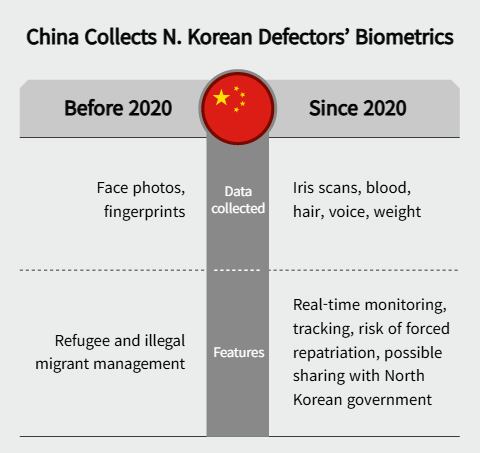
The Chinese government refers to defectors as "illegal border crossers" and either detains or sends them back. Nevertheless, it allows certain defectors, like women who are married to Chinese men and have families, to stay unofficially. A 150-page report obtained by this newspaper stated, "Local police stations throughout China started gathering biometric data from defectors in 2020," and added, "This has moved beyond basic identity registration to a stage of 'real-time control.'" The center cautioned, "There is a significant risk that biometric data might be shared with the North Korean government or used as a basis for forced repatriation."
This is the first time an in-depth investigation has confirmed that the Chinese government collects biometric data from defectors. Human rights groups estimate the number of defectors residing in China to be between 10,000 and 20,000.
◇ "Shout 'Yi, Er, San': Compulsory Vocal Registration of Defectors"
A defector who recently arrived in South Korea after living in China said in a survey by the NKDB that Chinese police came without any explanation, stating, 'We are here for an investigation (Diaocha),' and took my blood and cut my hair. They gave me instructions in a straightforward manner, so I followed them,
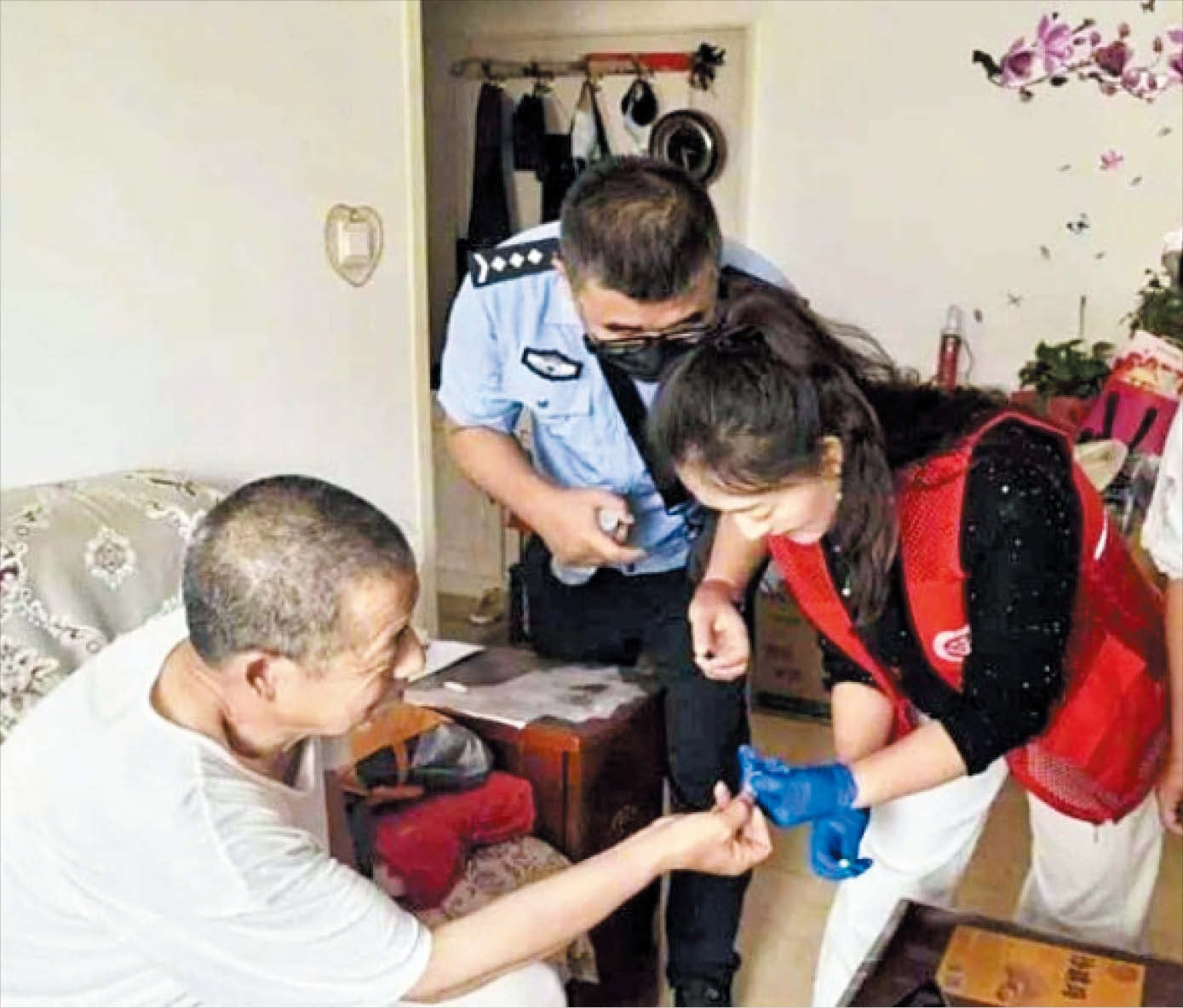
As per the report, Chinese authorities take only facial images and fingerprints from undocumented foreigners from Vietnam, Laos, and other nations, but they obtain more sensitive biometric details such as irises, voice samples, and body weight from defectors. Out of the 102 defectors surveyed, 29.4% (30 individuals) stated that Chinese police had gathered their biometric information. The majority of those who provided biometric data lived in border provinces including Jilin, Liaoning, and Heilongjiang.
Defectors who were surveyed voiced worries that providing sensitive biometric information to the Chinese government might reveal their identities, thereby raising the chances of being forcibly sent back to North Korea. Some mentioned that police threatened them while collecting data, stating, "We will send you back if you don't stay quiet." It was also discovered that authorities gathered blood samples, voice recordings, and weight details. Defectors noted, "Police made us shout 'Yi, Er, San' to record our voices," and "As police stations didn't have iris scanners, we were taken to armed police units to register our iris data."
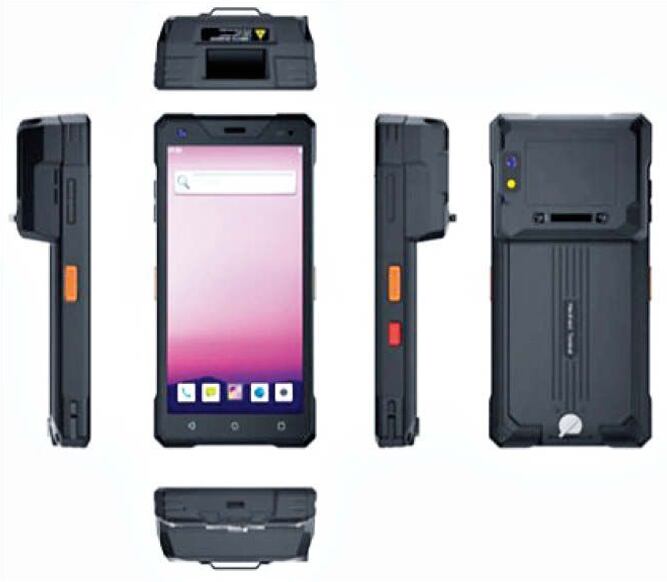
The report indicated that Chinese officials started gathering biometric information from defectors during the COVID-19 pandemic in order to monitor their activities. During this period, the Chinese government used applications such as the Health Code to track people's movements. Nevertheless, undocumented defectors were not included in these apps, leading authorities to collect their biometric data directly.
Even following the pandemic, Chinese authorities have kept collecting biometric information, resulting in analyses that classify defectors as "special surveillance and control targets." Daily NK, a media organization focused on North Korea, recently quoted a source with knowledge of North Korea matters, who said, "There is an increasing belief in China that defectors are not just illegal residents but important targets for national security management," and added, "Defectors are avoiding outside contact and limiting their movements as much as possible."
Chinese officials were discovered to require defectors to provide their locations in real time through smartphone applications such as WeChat and Kuaishou. A defector stated, "The police called several times, and when I didn't answer a few times, they later said, 'If you don't answer, we'll assume you're running away' and 'Make sure to answer next time.'"
Other testimonies revealed that law enforcement installed camera applications with GPS tracking capabilities to monitor real-time locations. These applications gather and evaluate users' movements using photo timestamps, location data, and phone identification numbers. A former insider mentioned, "The police required me to take a selfie with the app every morning at 9 a.m. and send it through WeChat. When I uninstalled the app and relocated to a different city, the police immediately called and asked, 'Where did you go?'" The report indicated, "Law enforcement consistently remind defectors to lead low-profile lives without creating any disturbances or committing offenses," and added, "If defectors relocate to other areas without prior notification, the police intensify their monitoring."
The report also showed that once defectors reach South Korea, Chinese authorities still keep the biometric data and communication records they gathered, utilizing this information to maintain control over them. A defector shared during the survey, "When I returned to China, the police warned, 'North Koreans are eager to find you. Don't blame us if we send you back.'" Defectors mentioned, "We are not free even after arriving in South Korea."
The North Korean Human Rights Information Center stated, “The arbitrary gathering and keeping of biometric information breaches the UN's International Covenant on Civil and Political Rights,” noting, “High-risk data such as irises and voices might be exploited for extended monitoring and observation purposes that go beyond the scope of managing unauthorized immigrants.”


COMMENTS